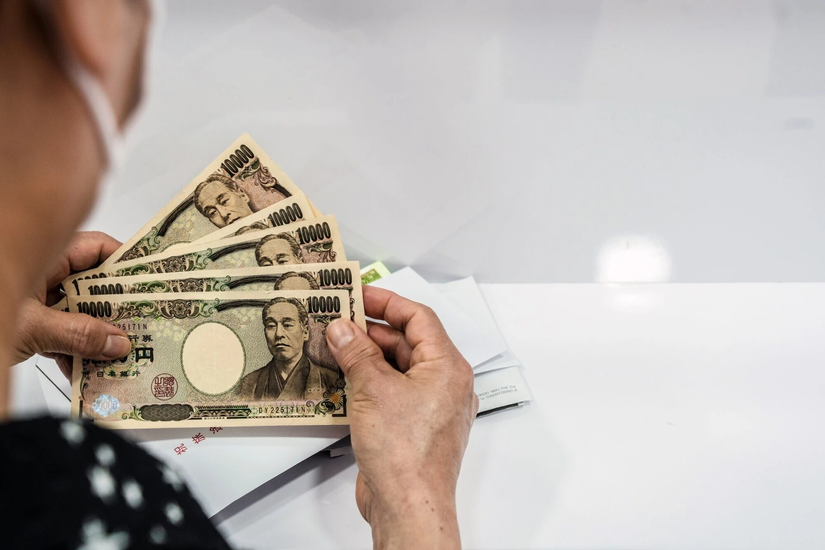
1. Nhật Bản thoát nguy cơ suy thoái
Nhật Bản, quốc gia với nền economy (ˈiːkənəmi) lớn thứ ba thế giới, đã tránh được nguy cơ suy thoái khi số liệu điều chỉnh cho thấy growth (ɡroʊθ) kinh tế trong quý IV/2023. Cụ thể, GDP của Nhật Bản đã tăng 0.4% so với cùng kỳ năm ngoái và 0.1% so với quý trước đó, một bước tiến đáng kể so với ước tính sơ bộ trước đó. Điều này đã làm dấy lên kỳ vọng rằng Ngân hàng trung ương Nhật Bản (BOJ) sẽ normalize (ˈnɔrməˌlaɪz) lãi suất trong thời gian sớm nhất.
Tuy nhiên, chỉ số giá tiêu dùng (CPI) của Nhật Bản lại giảm -0.3% trong quý cuối năm 2023, cho thấy một xu hướng giảm phát kéo dài qua ba quý liên tiếp. Điều này phản ánh một thách thức lớn đối với inflation (ɪnˈfleɪʃən) và nhu cầu tiêu dùng trong nước, khi mà lạm phát cao đang suppress (səˈprɛs) nhu cầu nội địa và tiêu dùng cá nhân, đe dọa đến tăng trưởng kinh tế.
Trong bối cảnh đó, đồng yen của Nhật Bản ít thay đổi sau khi dữ liệu được công bố, nhưng các hợp đồng swap (swɑp) qua đêm lại chứng kiến biến động mạnh, phản ánh kỳ vọng của thị trường về việc BOJ có thể increase (ɪnˈkriːs) lãi suất vào tháng 3. Điều này cho thấy một bước ngoặt có thể xảy ra trong chính sách tiền tệ của Nhật Bản.
Thủ tướng Fumio Kishida đang monitor (ˈmɑnɪtər) xu hướng tiêu dùng và tiền lương như một yếu tố then chốt để đánh giá liệu Nhật Bản có thể vượt qua tình trạng giảm phát hay không. Ông có kế hoạch gặp gỡ các lãnh đạo doanh nghiệp và công đoàn để thảo luận về các strategy (ˈstrætədʒi) tiếp theo.
Cuối cùng, bài báo nhấn mạnh rằng, trong một thế giới kinh doanh dynamic (daɪˈnæmɪk) và phức tạp, việc cập nhật kiến thức và hiểu biết về các xu hướng kinh tế toàn cầu trở nên vô cùng quan trọng. Điều này giúp các doanh nghiệp và cá nhân chuẩn bị tốt hơn cho những thách thức và cơ hội trong tương lai.
2. Japan Escapes Recession Risk
Japan, the world's third-largest economy, has avoided the risk of recession as revised figures show growth in the economy for Q4/2023. Specifically, Japan's GDP grew by 0.4% compared to the same period last year and 0.1% compared to the previous quarter, a significant improvement over previous preliminary estimates. This has raised expectations that the Bank of Japan (BOJ) will normalize interest rates at the earliest opportunity.
However, Japan's Consumer Price Index (CPI) fell by -0.3% in the last quarter of 2023, indicating a prolonged deflationary trend over three consecutive quarters. This reflects a major challenge for inflation and domestic demand, as high inflation is suppressing domestic demand and personal consumption, threatening economic growth.
In this context, the Japanese yen remained stable after the data release, but overnight swap contracts experienced significant fluctuations, reflecting market expectations that the BOJ might increase interest rates in March. This suggests a potential turning point in Japan's monetary policy.
Prime Minister Fumio Kishida is monitoring consumption trends and wages as a key factor to assess whether Japan can overcome deflation. He plans to meet with business leaders and union leaders to discuss the next strategies.
Finally, the article emphasizes that in a dynamic and complex business world, updating knowledge and understanding of global economic trends is extremely important. This helps businesses and individuals better prepare for future challenges and opportunities.
3. Japan Escapes Recession Risk
In the context of a difficult 経済 (keizai), Japan, the world's third-largest economy, has avoided the risk of recession as revised figures show 成長 (seichou) in the economy for Q4/2023. Specifically, Japan's GDP grew by 0.4% compared to the same period last year and 0.1% compared to the previous quarter, a significant improvement over previous preliminary estimates. This has raised expectations that the Bank of Japan (BOJ) will 正常化 (seijouka) interest rates at the earliest opportunity.
However, Japan's Consumer Price Index (CPI) fell by -0.3% in the last quarter of 2023, indicating a prolonged deflationary trend over three consecutive quarters. This reflects a major challenge for インフレーション (inflation) and domestic demand, as high inflation is 抑制 (yokusei) domestic demand and personal consumption, threatening economic 成長 (seichou).
In this context, the Japanese 円 (en) remained stable after the data release, but overnight スワップ (swap) contracts experienced significant fluctuations, reflecting market expectations that the BOJ might 増加 (zouka) interest rates in March. This suggests a potential turning point in Japan's monetary 政策 (seisaku).
Prime Minister Fumio Kishida is 監視 (kanshi) consumption trends and wages as a key factor to assess whether Japan can overcome deflation. He plans to meet with business leaders and union leaders to discuss the next 戦略 (senryaku).
Finally, the article emphasizes that in a ダイナミック (dynamic) and complex business world, updating knowledge and understanding of global economic trends is extremely important. This helps businesses and individuals better prepare for future challenges and 機会 (kikai).
4. 不況のリスクを回避した日本
世界第三位の経済を持つ日本は、2023年第4四半期の経済の成長を示す改訂数字により、不況のリスクを回避しました。具体的には、日本のGDPは前年同期比で0.4%、前四半期比で0.1% 増加し、以前の予備推定よりも大幅に改善しました。これにより、日本銀行(BOJ)ができるだけ早く利息率を正常化するという期待が高まっています。
しかし、日本の消費者物価指数(CPI)は2023年最後の四半期に**-0.3%** 減少し、3四半期連続のデフレーション傾向を示しています。これは、高インフレが国内需要と個人消費を抑制し、経済成長を脅かすという、インフレーションと国内需要に対する大きな課題を反映しています。
この状況の中で、データ公開後の日本円は安定していましたが、一晩のスワップ契約は大きな変動を経験し、3月にBOJが利息率を増加する可能性について市場が期待していることを反映しています。これは、日本の金融政策の転換点になる可能性を示唆しています。
岸田文雄首相は、消費傾向と賃金を日本がデフレーションを克服できるかどうかを評価するための重要な要因として監視しています。彼は、次の戦略について議論するために、ビジネスリーダーや労働組合のリーダーと会う予定です。
最後に、記事は、ダイナミックで複雑なビジネス世界において、グローバルな経済トレンドに関する知識と理解を更新することが非常に重要であると強調しています。これにより、企業や個人は将来の課題と機会に対してよりよく準備することができます。